Airway

Airway-focused orthodontic evaluation in Jersey City

A careful assessment of jaw development, bite, and breathing-related concerns.

At Miso Orthodontic Studio, Dr. Richard Song evaluates the teeth and jaws in the context of facial development and function. Assessment of airway and sleep-related concerns is part of every comprehensive consultation, helping us understand how jaw structure, oral function, and breathing fit together.

Join the founding waitlistWhat we evaluate

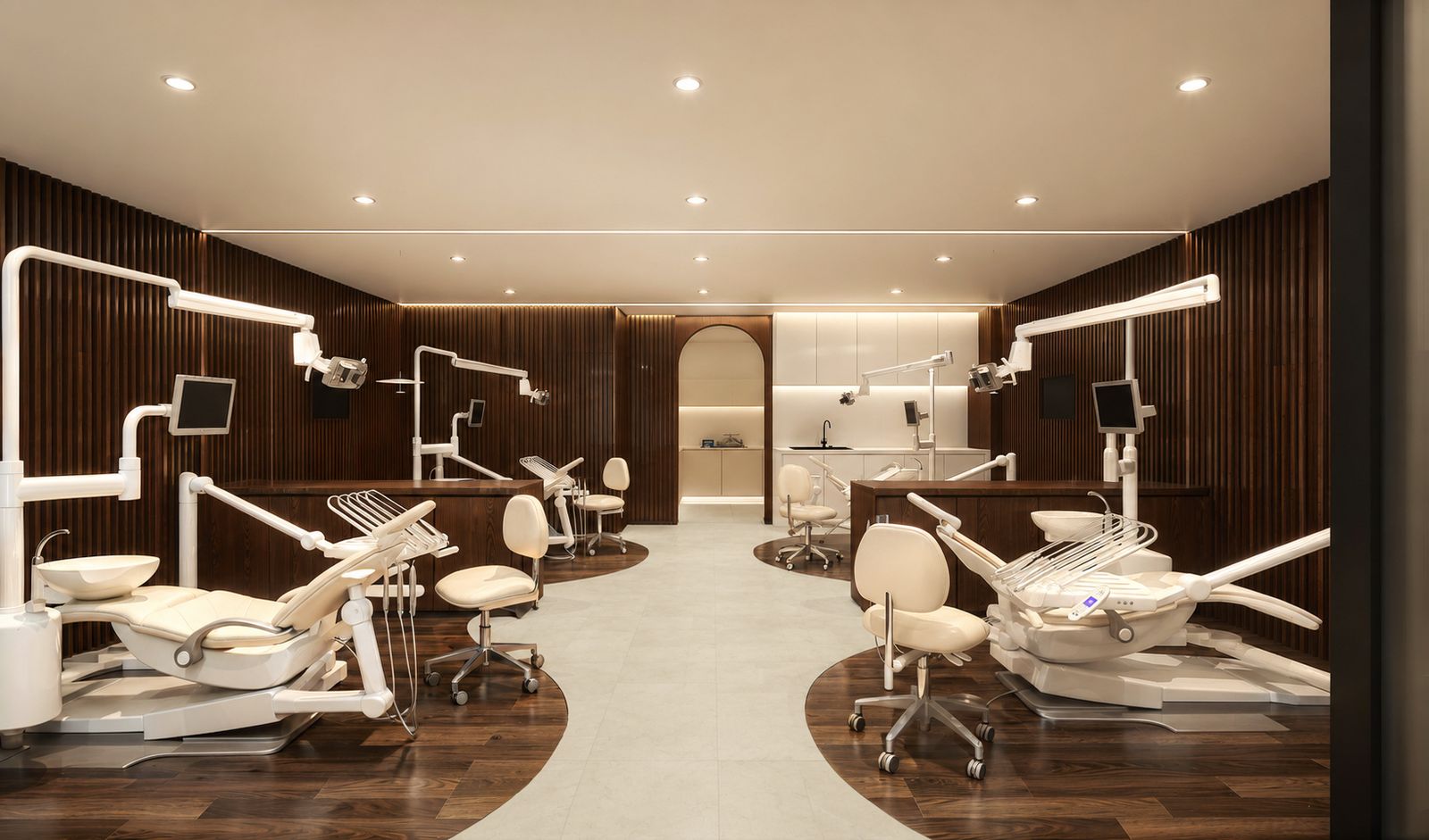
Open treatment bay with dental chairs and a walnut slat wall, design rendering
Design rendering

Why we evaluate the airway

Jaw structure and palatal width are part of a broader picture that includes the nose, tonsils, adenoids, tongue, and surrounding soft tissues. An orthodontic examination can identify structural findings that deserve closer attention.

We bring these findings together to identify anatomical constraints and develop a treatment plan that addresses your bite, jaw relationships, and functional needs.

What is airway-focused orthodontics?

Traditional orthodontic treatment centers on tooth alignment, the bite, and jaw relationships. Airway-focused orthodontics builds on this foundation by explicitly incorporating breathing patterns, sleep history, and airway anatomy into treatment planning. At Miso, we consider how the teeth and jaws relate to the entire face and how their development may contribute to airway and sleep-related concerns.

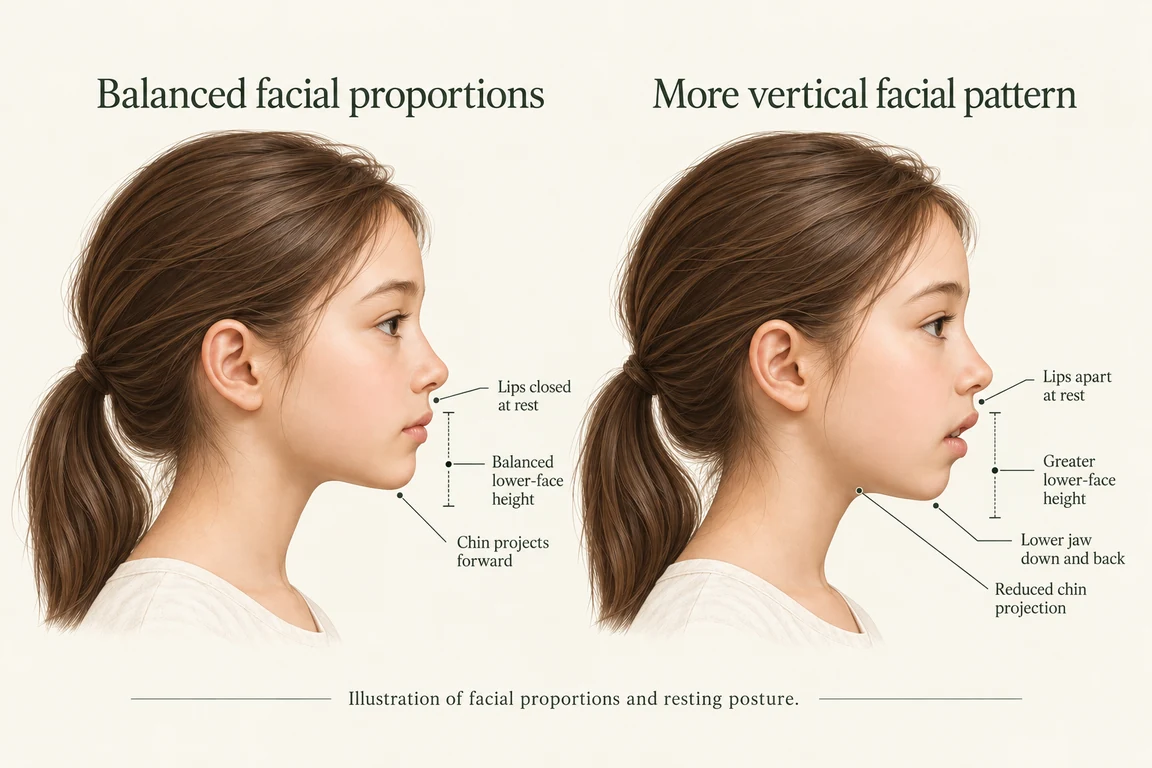
Breathing, growth, and facial balance.

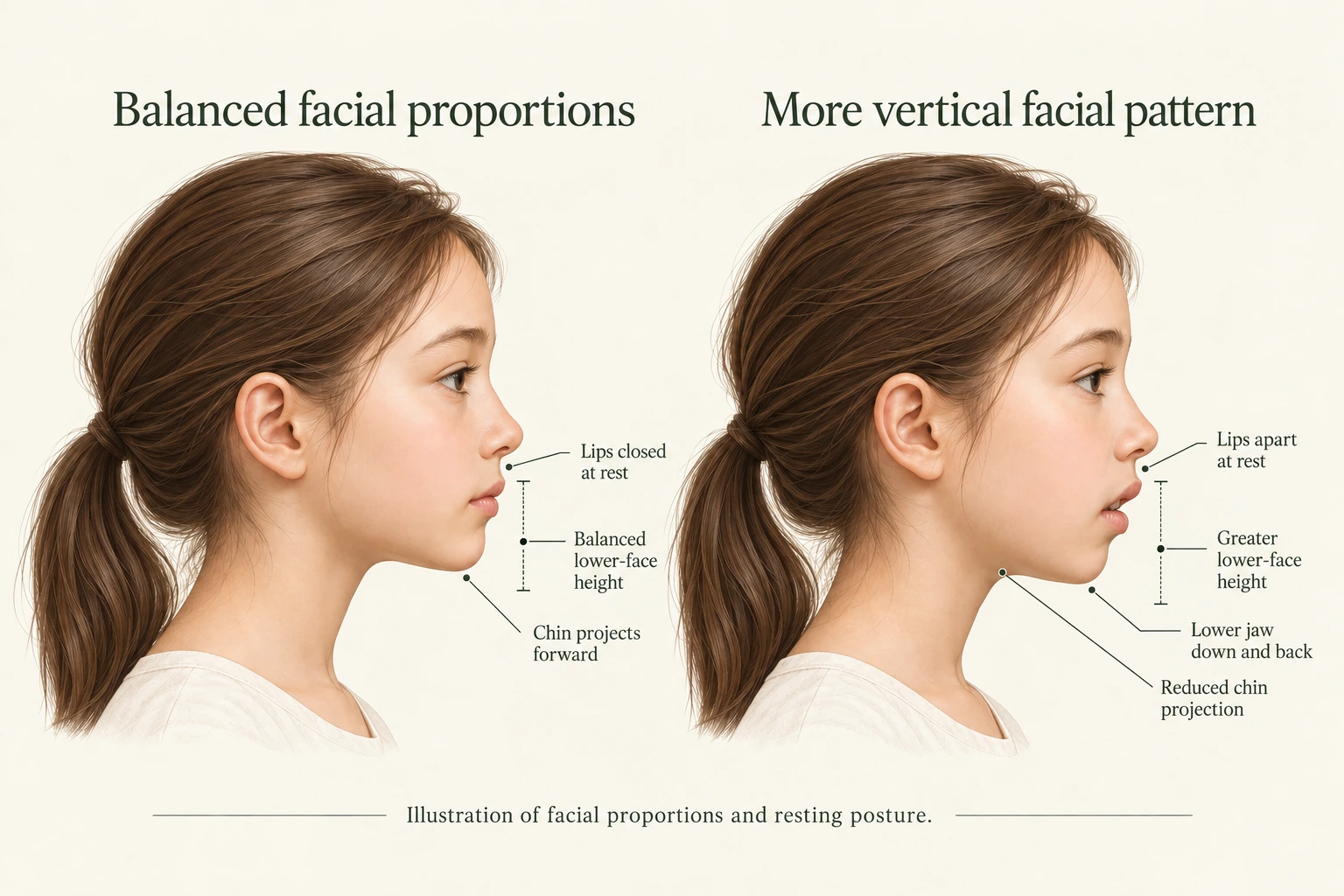
Two illustrated side profiles of a child comparing balanced facial proportions with a more vertical facial pattern. The profiles differ in resting lip posture, lower-face height, and chin position.
Balanced facial proportions
Lips closed at rest. Balanced lower-face height. Chin projects forward.
More vertical facial pattern
Lips apart at rest. Greater lower-face height. Lower jaw down and back. Reduced chin projection.
View larger Illustrative patterns, not a before-and-after comparison. Facial development reflects inherited traits and functional influences; adult airway concerns do not produce a single predictable facial change.

During childhood

Persistent mouth breathing and airway obstruction during growth are associated with differences in resting lip posture and facial development. Features may include lips that remain apart, greater lower-face height, and a lower jaw that sits farther back. Recognizing concerns early helps us plan care while growth is still occurring.12

In adulthood

Jaw relationships established during growth can remain visible in the adult profile, including chin projection, lower-face proportions, and resting lip posture. An adult evaluation considers these established features alongside current breathing and sleep concerns.

What we evaluate

A comprehensive evaluation.

Breathing and sleep history

We review mouth breathing, snoring, sleep quality, and concerns raised by you or your child’s healthcare providers.

Jaw development and palatal width

We assess how the upper and lower jaws relate to each other and to the cranial base, as well as their position within the overall face. We also evaluate facial proportions, palatal width, the bite, and growth stage.

Oral function and posture

We examine tongue mobility, resting lip posture, and habits that may affect dental development or function.

Records in context

We consider your medical and dental history, airway questionnaire, clinical examination, photographs, and imaging together. A CBCT scan provides a three-dimensional view of the jaws and surrounding structures, helping us identify anatomical constraints in the context of the complete evaluation.

When to seek an evaluation

Children

Persistent mouth breathing, habitual snoring, restless sleep, or breathing pauses during sleep. Difficulty focusing, irritability, or hyperactivity may also warrant a closer look at sleep quality.1

Adults

Habitual snoring, witnessed breathing pauses or gasping, and persistent daytime sleepiness or unrefreshing sleep.3

In children, disrupted sleep can present as hyperactivity or inattention rather than obvious sleepiness. These behaviors can resemble ADHD and may sometimes be mistaken for it, making sleep history an important part of a comprehensive assessment.13

A narrow palate, crowding, or a noticeable imbalance between the jaws is also a reason to schedule an orthodontic evaluation.

Orthodontic treatment, matched to the diagnosis.

Treatment is tailored to your jaw structure, bite, and stage of growth. Our approach addresses the specific anatomical findings identified during your comprehensive evaluation.

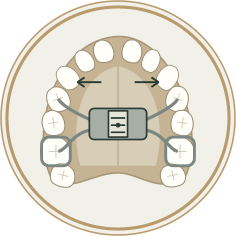
Palatal expansion

For children with a narrow upper jaw, palatal expansion widens the upper arch, creates space for the teeth, and improves how the upper and lower teeth fit together. Expansion can also have a role in the treatment of children with sleep apnea and a narrow upper jaw.4

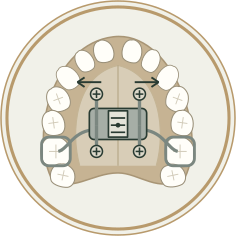
Adult skeletal expansion (MARPE)

Miniscrew-assisted rapid palatal expansion uses small temporary anchors in the palate to help widen a narrow upper jaw. It addresses the underlying width of the jaw and creates more room within the upper arch.

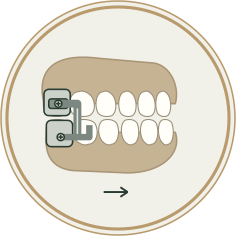
Growth modification

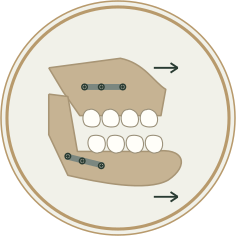
Growth modification uses a child’s remaining growth to help improve a significant imbalance between the upper and lower jaws. When the lower jaw is underdeveloped or sits too far back, an appliance can guide it into a more forward position to improve the bite and jaw relationship.

Learn more: Adult MARPEOrthodontics for children

Additional treatment options.

Upper-jaw growth guidance

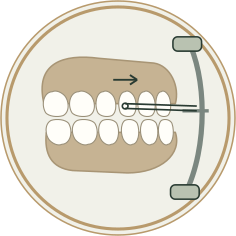
A facemask may be considered for a growing child with an underdeveloped upper jaw. It applies forward traction as part of a plan to improve jaw relationships and the bite.

Orthodontics with jaw surgery

Orthodontics and corrective jaw surgery can address substantial differences in jaw size or position, improving how the jaws and teeth fit together. Advancing both jaws can also be part of treatment for obstructive sleep apnea.5

Temporary anchorage devices (TADs)

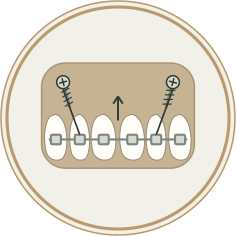
TADs are small temporary anchors used as a supporting tool for selected orthodontic tooth movements or expansion appliances.

Care coordinated around your needs

When your findings call for additional expertise, we coordinate care and referrals with an ENT, sleep physician, primary care doctor, or oral and maxillofacial surgeon. Together, we address the dental, skeletal, and medical factors relevant to your airway and sleep-related concerns.

Questions patients ask.

How can airway-focused orthodontics help?

Treatment can address a narrow upper jaw or an imbalance between the jaws, improving the bite and the skeletal framework around the airway. Your evaluation helps us identify which approach fits your anatomy and goals.

Will an expander improve breathing or sleep?

Palatal expansion widens a narrow upper jaw and the base of the nasal cavity. Many patients report easier nasal breathing after expansion. We consider your breathing and sleep concerns alongside your jaw structure when planning treatment.

When should my child be evaluated?

The American Association of Orthodontists recommends an orthodontic check-up by age 7, or earlier when a concern is recognized. Mouth breathing, snoring, restless sleep, or noticeable differences in jaw development are reasons to seek an earlier assessment.6

Can adults benefit from an evaluation?

Yes. Adults with a narrow upper jaw or an imbalance between the jaws can benefit from an evaluation of their bite, facial proportions, and airway anatomy. Options include skeletal expansion in conjunction with clear aligners or braces, or in some cases, combined orthodontic and surgical treatment.

What happens during an airway-focused consultation?

We review your medical and dental history and airway questionnaire, examine your teeth, bite, and jaw relationships, and assess your photographs and CBCT scan together. Dr. Song explains the findings and the treatment options that address your needs.

Start with a comprehensive consultation.

Miso Orthodontic Studio is opening soon in downtown Jersey City. Join the founding waitlist to be notified when complimentary consultations become available.

Join the founding waitlist

Clinical references

  1. Kim KA, Kim SJ, Yoon A. Craniofacial anatomical determinants of pediatric sleep-disordered breathing: a comprehensive review. J Prosthodont. 2025;34(S1):26–34. doi:10.1111/jopr.13984 (opens in a new tab) ↩1 ↩2 ↩3
  2. Zhao Z, Zheng L, Huang X, Li C, Liu J, Hu Y. Effects of mouth breathing on facial skeletal development in children: a systematic review and meta-analysis. BMC Oral Health. 2021;21:108. doi:10.1186/s12903-021-01458-7 (opens in a new tab) ↩
  3. American Academy of Pediatric Dentistry. Policy on obstructive sleep apnea (OSA). Revised 2026. aapd.org (opens in a new tab) ↩1 ↩2
  4. Ehsan Z, Ishman SL, Soghier I, et al. Management of persistent, post-adenotonsillectomy obstructive sleep apnea in children: an official American Thoracic Society clinical practice guideline. Am J Respir Crit Care Med. 2024;209(3):248–261. PubMed Central (opens in a new tab) ↩
  5. Zaghi S, Holty JE, Certal V, et al. Maxillomandibular advancement for treatment of obstructive sleep apnea: a meta-analysis. JAMA Otolaryngol Head Neck Surg. 2016;142(1):58–66. PubMed (opens in a new tab) ↩
  6. American Association of Orthodontists. Child orthodontics. aaoinfo.org (opens in a new tab) ↩